Most weeks I hear “I wish I’d caught this sooner”. This 60-second check is the routine I teach in clinic—fast, practical, and made for New Brunswick winters when skin dries and cracks quicker than you think.
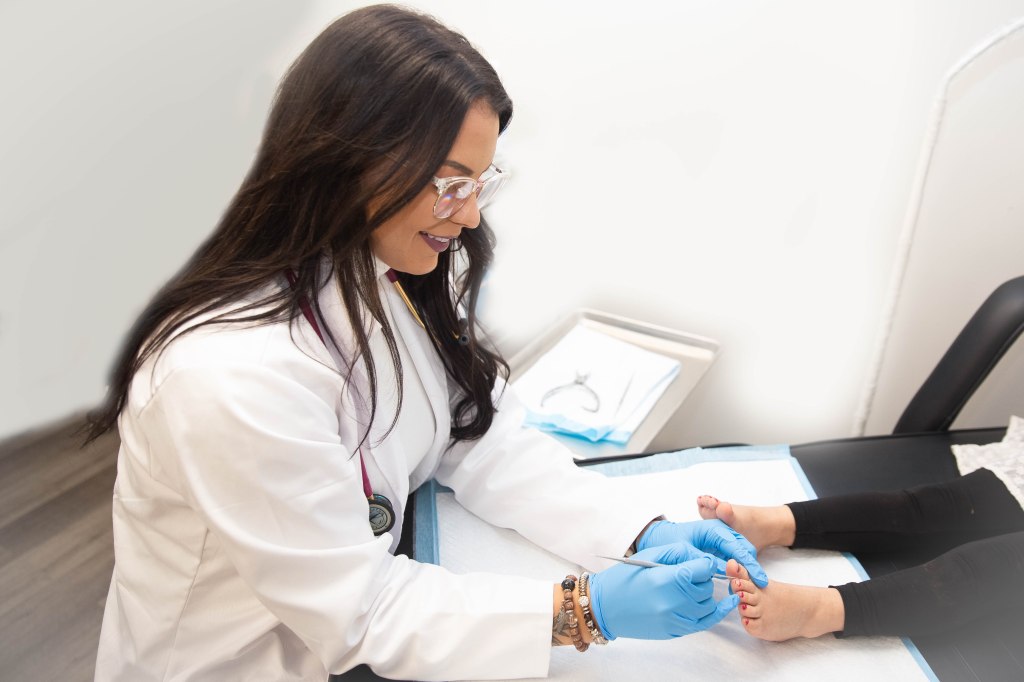
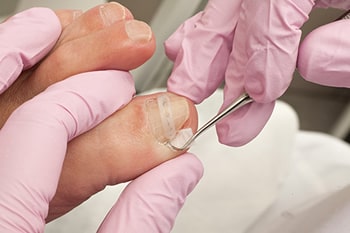
Gentle nail correction, not surgery Jessie relieves pressure from ingrown or curved nails using sterile, non-invasive techniques. It’s precise, safe for diabetic foot care, and designed to prevent infection—not cause trauma.
Skin sweep (10s): Look for cuts, cracks, blisters, corns/calluses, and peeling between toes. Any hot, red, or shiny patch is a flag.
Nail scan (10s): Thick, discoloured, curved, or tender edges? That can be an ingrown or pincer nail—don’t dig.
Sensation tap (10s): Lightly touch tops/sides/soles with a fingertip or cotton swab. Note any numb spots.
Pressure points (15s): Press heels, balls of feet, and big-toe joints. Pain, warmth, or swelling? Mark it down.
Sock & shoe audit (15s): Turn socks inside-out for seams; feel inside shoes for pebbles or rough stitching that can rub.
Red flags: when to see a doctor
Spreading redness, warmth, or fever
Sudden swelling or colour change
New open sore or drainage
If you spot any of these, pause home care and seek immediate medical attention with a doctor.
When to book with Jessie
Ongoing ingrown or curved nail edges (pressure relief and gentle correction—no surgery)
Thick, hard-to-cut nails or nails that split or snag
Corns or calluses that return and need safe reduction
Routine diabetic foot checks, nail trimming, and skin care education
Advice on socks, shoes, compression stockings, and pressure offloading to prevent hotspots
Help starting a simple at-home foot care routine
Note: You don’t need a problem to book with Jessie—healthy feet are welcome. Regular, non-invasive care works best as prevention and keeps small issues from ever starting.
Did you know that in New Brunswick, there’s approximately 1 diabetes-related amputation every 73 hours due to untreated foot ulcers?
Precise, sterile relief for painful nail edges—safe for diabetic foot care.
When DIY isn’t enough
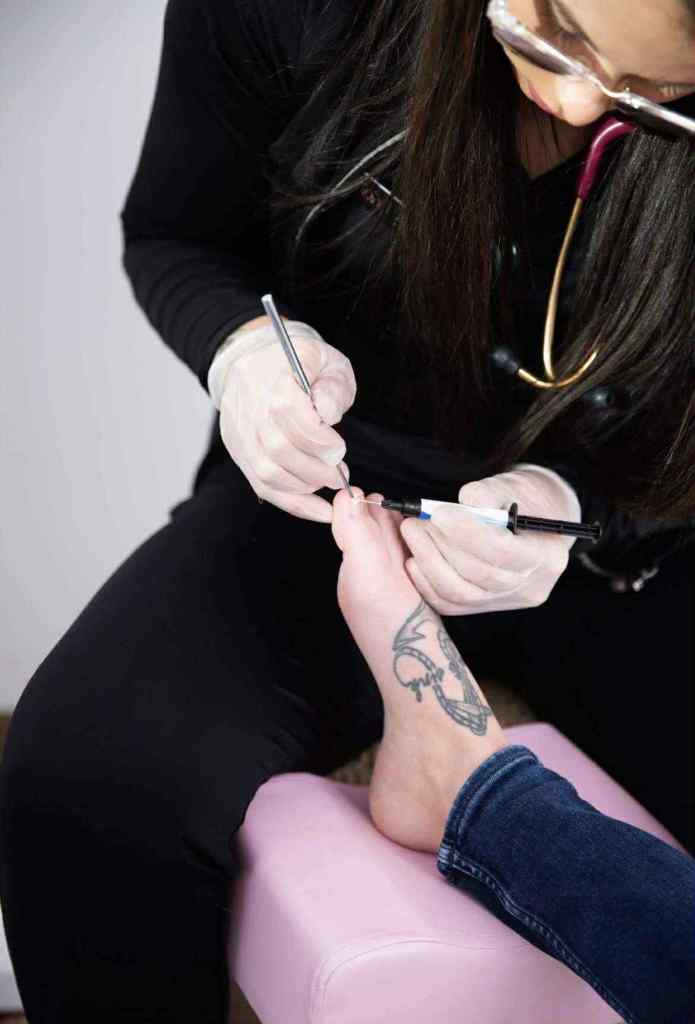
Recurrent ingrown or curved nails (pincer) → Onyfix is a painless nail-correction option we use in clinic.
Thick or crumbling nails; nail lifting; stubborn corns/calluses → reduce pressure safely and prevent ulcers.
Suspected nail fungus → ToeFX light therapy is a non-drug option offered in Canadian clinics.
New Brunswick note on compression stockings
If you’re measuring for medical compression, many plans need a prescription and proper fitting to claim benefits. Ask us what to request from your provider.
Yes—if you can see and reach well, have good sensation, and trim straight across. When in doubt, let a clinician handle it.
How do I know if a nail is curving too much?
If the edges pinch or press into skin, that’s an involuted/pincer pattern. Early correction prevents infection and pain.
Do I need special socks?
Look for non-binding cuffs, smooth seams, and moisture-wicking fabric. Change daily (or more often if damp).
People with diabetes should have their feet checked by a nurse to catch cuts, sores, or infections early before they get serious. Regular foot care helps prevent ulcers, infections, and even amputations.
— Jessica Power, LPN, CMP Specialized in Diabetic, Basic & Advanced Foot Care Certified Master Pedicurist – North American School of Podology Atlantic Canada’s Onyfix Educator Certified Compression Stocking Fitter


 Jessie's Foot Care
Leave a comment